The Keyboard Has Never Been the Author
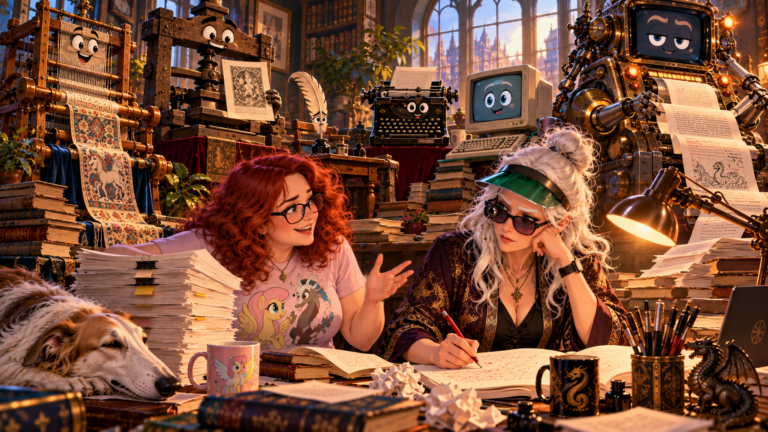
A machine can write a paragraph in seconds. Sometimes it's even a good paragraph. But does that make the machine an author — or the person using it a fraud?
Writers have always relied on tools, collaborators, editors, researchers, and ghostwriters. Generative AI introduces extraordinary new capabilities, but it also raises serious questions about copyright, creative ownership, professional livelihoods, and the integrity of published work.
In The Keyboard Has Never Been the Author, Doc Tomiko challenges the assumption that legitimate authorship requires personally producing every word. Through examples from fiction, journalism, publishing, and developmental editing, she argues that the true work of writing lies in imagination, intention, critical judgment, and responsibility for the finished product.
AI can generate prose, suggest revisions, and help people tell stories they might otherwise never write. It can also produce mountains of mediocre garbage and give publishers new excuses to stop paying professionals.
The question isn't whether a machine helped write the words. It's who decided what those words should mean, whether they belong, and whether they're any damned good.
The keyboard was never the author. Neither is the AI.